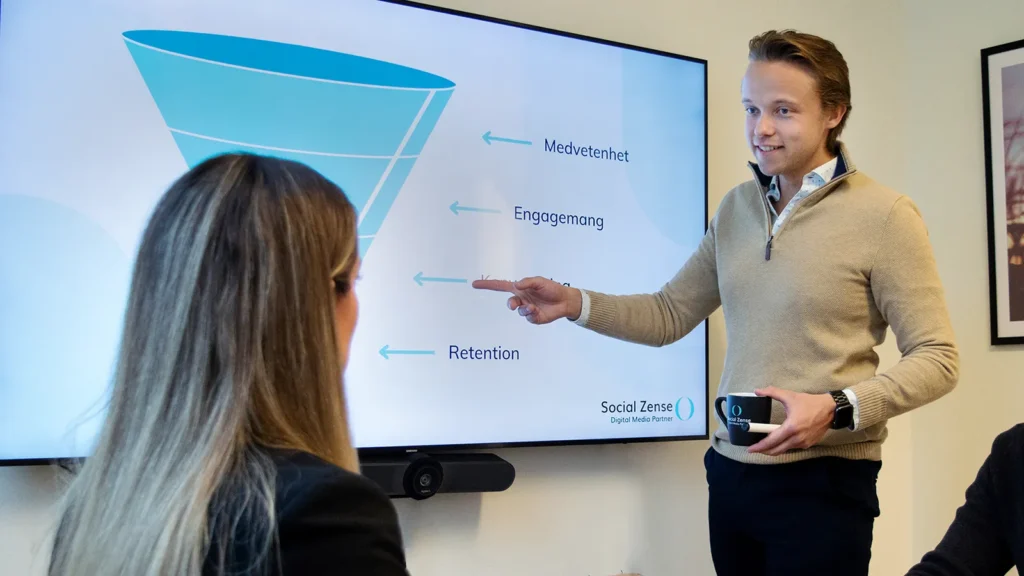
Knowing exactly who your audience is – and reaching them with the right message – is the foundation of effective marketing. By segmenting your audience into smaller more defined groups based on traits like demographics, behaviour, or interests, you can communicate in a way that resonates with each group.
What is Audience Segmentation?
Audience segmentation is the process of grouping your audience into smaller, more specific groups based on shared traits. This means that you can design your marketing based on what resonates for each group, something that consumers expect more of brands today.
Here are some of the most common ways to segment your audience:
Demographic Segmentation
Based on traits like age, income, and gender. Useful as a starting point when you want to tailor messaging to broad audience characteristics. An e-commerce store could for example show different product categories to different age groups – trending clothes to younger audiences and more classic styles to older audiences.
Behavioural Segmentation
Focuses on how customers behave, for example based on purchasing habits or loyalty. Provides a clear understanding for where in the customer journey someone is, and what kind of message they need. For example, an e-commerce store could send an email reminder with a discount to users who placed items in their basket but didn’t follow through with a purchase.
Psychographic Segmentation
Based on lifestyle, values, and personal traits. Particularly useful when you want to connect with your audience on a deeper level. In practice this could look like a company handling environmentally friendly products targeting their communication to customers who value sustainability.
Geographic Segmentation
Groups customers based on location, such as a country or a city. Geographic segmentation is particularly useful for businesses that offer local services, or to adjust messaging according to cultural nuances.
Firmographic Segmentation
Usually used within B2B contexts, groups customers based on organisational traits – for example industry or turnover. Firmographic segmentation is particularly helpful when your offering varies depending on company size or sector. An example of this in practice could be a software company adjusting their marketing communication based on another company’s size.
How to Get Started with Audience Segmentation
Implementing audience segmentation in your business is relatively simple:
1. Double-check your tracking
Without correct tracking you risk making decisions and segmenting based on incomplete data. Always make sure that your tracking is correctly set up and logging the correct events.
2. Analyse the data you already have
Start by analysing the data you already have. It could be anything from customer behaviour, purchasing data, or demographic information.
3. Understand and decide your goals
To work with segmentation you always need a clear goal. Think about what you want to achieve – you might want to increase conversions, or, improve the customer experience for a specific group. Your goal determines what type of segmentation is most effective and where to focus first.
4. Build small segments (initially)
Once you have a clear goal, you can start building initial segments. Group customers into categories like “has made a purchase in the las week”, or, “visited website but did not convert”. Working with audience segmentation is easiest when you start with simple segments before moving into more granular ones.
5. Map every segment to the customer journey
It’s important to connect your segments to the customer journey – for example awareness or conversion – in order to better understand how every group interacts with your brand. This will make it easier to deliver the right message at the right moment.
6. Continuous testing and optimisation
When everything is set up and you’ve begun working with audience segmentation, you should always continue to test and optimise your segments so that they remain relevant.
In a digital world customers expect ads to feel personalised, and audience segmentation is your key to doing that.
Do you want help getting started with audience segmentation? Don’t hesitate to reach out!